Wednesday, January 28, 2026

Skin Diseases

Understanding Skin Diseases with Their Pictures!

Let's understand Skin Diseases with their pictures for a better approach to their treatment. Imagine being eager to start your day while awake one morning only to discover a red, itchy rash covering your arms. Or possibly you slowly start noticing spots of white, depigmented skin on your face, which leaves you uncomfortable and worried. The following instances touch on only a few of the many skin disorders that impact millions of people worldwide. By understanding their causes, symptoms, and treatment options, as well as ways of resolving them, we will set out on a journey to explain skin diseases.hyperthyroidism

Table of contents
  1. Understanding skin diseases with their pictures
  2. Skin disease/Eczema or Atopic dermatitis
  3. Symptoms
  4. Treatment
  5. Skin disease /Psoriasis
  6. Symptoms
  7. Treatment
  8. Skin diseases / Acne
  9. Symptoms
  10. Treatment
  11. Skin diseases / Vitiligo
  12. Symptoms
  13. Treatment
  14. Skin disease / Rosacea
  15. Symptoms
  16. Treatment
  17. Skin disease dealing with
  18. Management's 


psoriasis

The biggest organ in the human body known as the dermis, (the skin) protects us from the outside atmosphere and controls our body's temperature. Skin problems, commonly referred to as dermatological diseases, cover an extensive number of illnesses that can impact, the largest organ in the human body, the skin protects us from the outside atmosphere and controls our body's temperature, which can affect all ages, races, and socioeconomic statuses. While some skin conditions are transient and simple to treat, others can be persistent and need continuing attention.


1)Skin diseases/Eczema or Atopic Dermatitis

Eczema is a form of atopic dermatitis, a common chronic skin disorder that frequently manifests in childhood and can last up to adulthood. It is characterized by skin patches that are red, itchy, and inflamed. Eczema appears to be brought on by genetic predisposition and environmental factors, while its specific etiology(causes) is still unknown.

Symptoms


Eczema symptoms include dry skin, red, inflamed patches, extreme itching, and the development of small blisters (pustules) that may bleed and crust over. Eczema symptoms can vary in intensity.asthma


A skin condition that occurs when hair follicles plug with oil and dead skin cells.
Types of Acne

Treatment:

There is no known cure for eczema, however, there are numerous therapies that can help control its symptoms. Emollients to keep the skin hydrated, topical steroids to lessen inflammation, and lifestyle changes to prevent triggers like particular fabrics, pollutants, or stress are some examples of these.health-awareness

2)Skin diseases with picture / Psoriasis:

Psoriasis is an autoimmune skin condition that causes skin cells to multiply quickly, developing red areas and thick, silvery scales. May affect, the scalp, elbows, knees, and nails are just a few of the several body parts.glaucoma

Symptoms:

Psoriasis often manifests as elevated, red spots covered with silvery scales. People may occasionally feel irritation and discomfort as well as skin cracking and bleeding.

Treatment:

Even though there is no FDA-approved treatment for psoriasis, a variety of treatment options can help control its symptoms and reduce flare-ups. The condition may be treated with the help of topical drugs, systemic medications, phototherapy (light therapy), and changes in lifestyle.

3. Skin disease / Acne:

One of the most prevalent skin problems in the world, acne often affects people in their teens but can occasionally last into adulthood. It happens when oil and dead skin cells clog hair follicles, causing the growth of pimples, blackheads, and whiteheads.


If there's too much oil, that can cause issues, like clogged pores, acne, and sebaceous hyperplasia.
Oily skin problem 

A variety of lesions, including whiteheads (plugged pores that are closed), blackheads (plugged pores that are open), pimples, and cysts, can be caused by acne.

Final Thoughts: Accepting the Journey Skin conditions can be difficult, but they do not define who we are. We may travel the road with strength and resilience if we are aware of these problems, seek out expert advice, and adopt practical coping mechanisms. Keep in mind that you are not alone in this, and there is support available to help you survive and appreciate your skin's individual beauty, regardless of its state. Let us embrace the road to self-acceptance, education, and empowerment in the face of skin conditions together.

Treatment:

Benzoyl peroxide or salicylic acid topical medications sold over the counter can help manage minor acne. Dermatologists may recommend topical retinoids, antibiotics, or oral drugs like isotretinoin for more severe instances.

4. Skin disease / Vitiligo:

Melanocytes, the cells that produce skin color, are lost in people with vitiligo, a skin condition. As a result, discrete white patches show up on different bodily areas.

Symptoms


The emergence of milky-white patches on the skin, which can vary in size and form, is the most obvious sign of vitiligo.


A disease that causes the loss of skin colour in blotches. Vitiligo occurs when pigment-producing cells die or stop functioning.
Vitiligo 
Vitiligo cannot be cured, however, there are numerous therapies that seek to balance out the skin's tone. These may consist of depigmentation for more severe cases, topical corticosteroids, topical calcineurin inhibitors, light therapy, and phototherapy.

5. Skin disease / Rosacea:

Beyond-Normal Blushing. Rosacea is a long-term skin disorder that mostly affects the face, resulting in redness, visible blood vessels, and pimples that resemble acne. It frequently affects those with fair complexion, and women are typically affected more often than men.

Symptoms


Rosacea might include eye discomfort, small, visible blood vessels, swollen and red pimples, and persistent redness in the middle of the face.


A condition that causes redness and often small, red, pus-filled bumps on the face.
Rosacea

Treatment

Identifying and avoiding triggers, applying topical drugs like metronidazole or azelaic acid, and occasionally taking oral antibiotics or isotretinoin for more severe instances are all part of the treatment for rosacea.

Skin Disease Dealing with:

Having a skin condition can be emotionally collective because a person may experience not just physical discomfort but also possible social and psychological repercussions. Here are some strategies to manage skin conditions and prosper despite the difficulties they present. psoriasis Educate Yourself: Find out how to treat the exact skin disease you have. You can make wise decisions and communicate with healthcare professionals efficiently if you are aware of your skin illness. Seek Professional Assistance: For a precise diagnosis and individualized treatment recommendations, speak with a dermatologist or other skin specialist. They can make recommendations for the best line of action based on your particular requirements.

Establish a skincare routine that includes mild cleansing, moisturizing, and sun protection. Steer clear of strong products that can make your skin issue worse.vitiligo

Track the things that make your skin problem worse, such as specific foods, stress levels, or environmental conditions. You can reduce flare-ups by altering your lifestyle by keeping track of your triggers.


Moles are caused by clusters of pigment-forming cells (melanocytes). Most people have 10 to 40 moles .
Moles
Joining support groups or seeking counseling can offer emotional support and a secure environment in which to exchange experiences with others going through similar difficulties.skin-lesions Self-care: Take part in activities that improve your mental and emotional health. To increase your self-esteem, practice self-acceptance and put your attention on things you enjoy doing.

Management:

Skin diseases can be difficult, but they do not define who we are. We may travel the road with strength and resilience if we are aware of these problems, seek out expert advice, and adopt practical coping mechanisms. Keep in mind that you are not alone in this, and there is support available to help you survive and appreciate your skin's individual beauty, regardless of its state. Let us embrace the road to self-acceptance, education, and empowerment in the face of skin conditions together.


Monday, January 26, 2026

Understanding the Autism Spectrum Disorder

 Introduction

Let's understand the Autism Spectrum Disorder, which is also known as Autism. It is a neurological and developmental disability of the patient. Though can be diagnosed at any age but usually noticed at an early age of 2-3 years of a child when delayed or absence of milestones are noticed. Autism Spectrum Disorder (ASD) is a multifaceted neurodevelopmental condition that manifests in a spectrum of challenges related to social interaction, communication, and behavior.

Understanding the Autism Spectrum Disorder, is a disability of developmental ,social, and  communicational behavioral interaction with the surrounding.
Autistic Child With Mother

Table of contents

  1. Introduction
  2. Defining the Autism Spectrum Disorder (ASD): Beyond Stereotypes
  3. Early signs and symptoms of Autism Spectrum Disorder
  4. Challenging stigma
  5. Community Engagement: Amplifying Voices
  6. Conclusion

Defining the Autism Spectrum Disorder (ASD): Beyond Stereotypes

Autism Spectrum Disorder is a complex group of neurological and behavioral disorders that is present in all age groups of patients. Some of them can live and manage their own but some need permanent care either by parents or by healthcare assistants. It is a life-challenging condition for such patients as well as for parents. Autism signs and symptoms vary and are unique in each patient. 


Early signs and symptoms of Autism Spectrum Disorder

Diagnosing early signs and symptoms of Autism could be challenging. Parents and caregivers should be vigilant in diagnosing delayed speech, repetitive behavior of a child, communication gap, lack of eye contact, and social interaction disability. 

Intervention Strategies: Nurturing Growth and Development

Skilled professionals craft personalized therapy plans, addressing the unique needs and strengths of each person with ASD should be conducted, from behavioral interventions to speech therapy. Society awareness programs should be conducted. A supportive network plays a vital role in Such ASD patients.

Challenging stigma


In the digital age, misinformation can spread rapidly. It is essential to debunk common myths surrounding autism to promote accurate understanding. Autism is not a limitation but a facet of neurodiversity. It's crucial to challenge societal stigmas and embrace the diverse perspectives individuals with ASD bring to our communities. By fostering an inclusive mindset, we can create environments that celebrate differences and encourage the flourishing of every individual, regardless of neurodevelopmental variances.

Community Engagement: Amplifying Voices

By amplifying the voices of individuals with ASD and their families, we strive to create a more inclusive society that recognizes and celebrates neurodiversity.


Conclusion

Understanding Autism Spectrum Disorder (ASD), society and parents' awareness is necessary, Training programs should be organized for better outcomes and coping with affected individuals.


Tuesday, January 20, 2026

Polycythemia Vera (PV)


Polycythemia Vera (PV)

Introduction

The chronic blood condition polycythemia vera, sometimes known as PV, is a very uncommon but significant chronic blood disorder. A class of diseases known as myeloproliferative (MPNs), Polycythemia falls under this group. It is characterized by an excessive synthesis of different blood group types. White blood cells, red blood cells, and platelet production occur as PV, which primarily affects bone marrow. Polycythemia vera can have serious consequences if neglected., though it is not commonly seen as a type of cancer. Let's delve into the complexities of PV in this extensive guide, looking at its causes, symptoms, diagnosis, available treatments, potential side effects, and the significance of early discovery and management.


Table of contents
1) Introduction
2)The underlying mechanism of polycythemia vera
3)Symptoms of polycythemia vera
4)Diagnosis of polycythemia vera
5)Treatment options
6) Complications and risks associated with polycythemia vera
7)Lifestyle consideration with polycythemia vera
8)Support and recourses with polycythemia vera
9)Looking ahead: Ongoing research and advances in PV treatment

A) The Underlying Mechanisms of Polycythemia Vera

1)Pathophysiology of PV-genetic mutation in the JAK2 gene, specifically the JAK2V617F mutation, has been linked to the onset of PV. The usual signaling pathways that control the bone marrow's ability to produce blood cells are interfered with by this mutation. Cells in the bone marrow therefore start to proliferate and increase uncontrollably, which causes an excess of blood cells, including platelets, white blood cells, and red blood cells.

2)Impact on Blood Composition Blood's composition significantly changes as a result of this aberrant cell growth. Notably, the quantity of red blood cells increases excessively, which can raise the hematocrit level (the proportion of red blood cells in the blood) considerably over normal levels. This affects the blood's viscosity and thickening

Is a type of blood cancer. It causes your bone marrow to make too many red blood cells. These excess cells thicken your blood, slowing its flow, which may cause serious problems.clots.
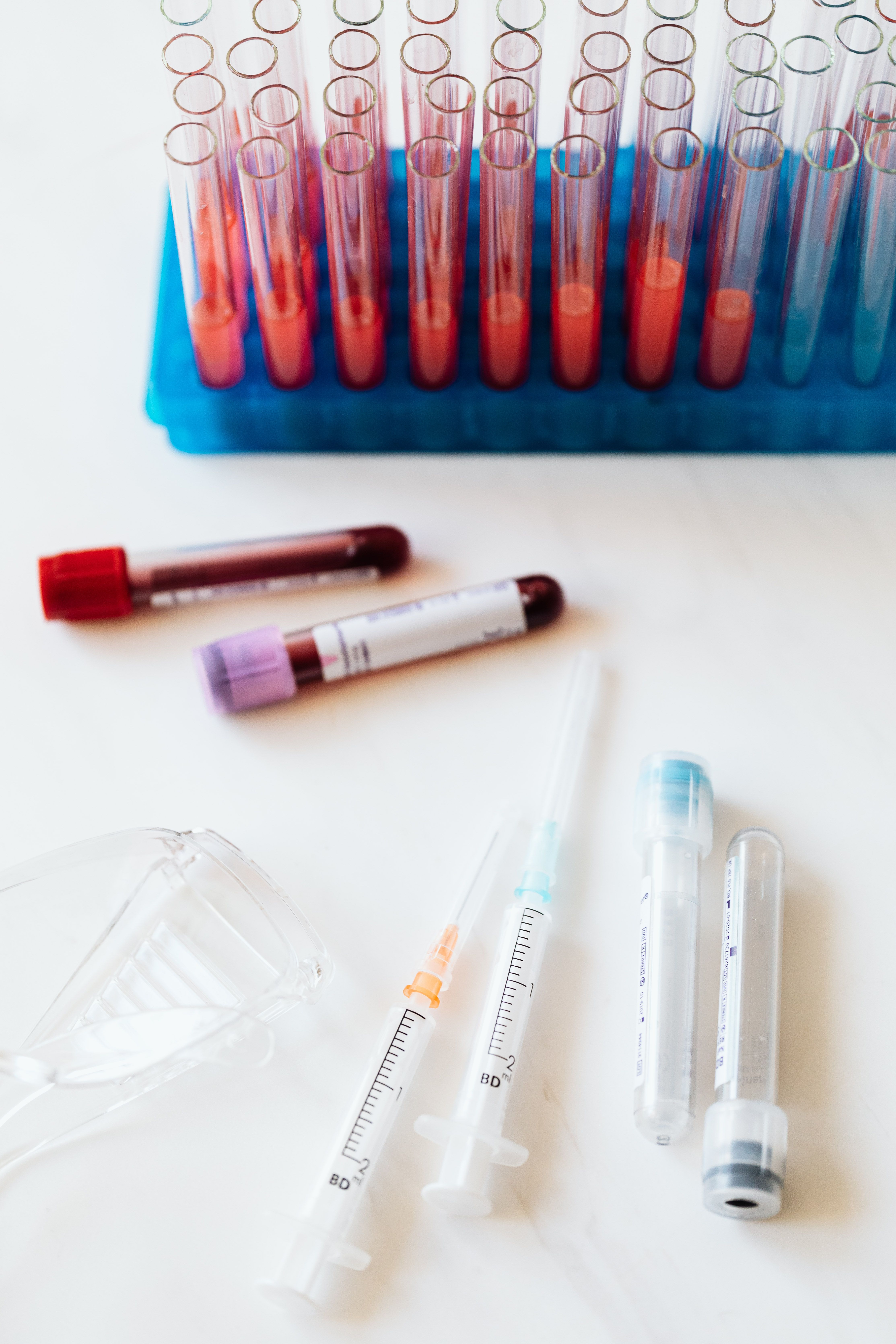
Blood test

B) Symptoms of Polycythemia Vera

The symptoms of PV can vary from person to person and often develop gradually
and slowly over time. Some individuals may experience more pronounced symptoms than others. Understanding the common signs and symptoms associated with PV is crucial for early detection and prompt medical intervention.

1)Fatigue and Weakness: Persistent weariness and weakness are two of PV's defining symptoms. The heart has to work harder to pump blood through the body's veins because of the thicker blood brought on by the extra red blood cells. This could make you feel weak and exhausted.

2)Headaches and Dizziness: Frequent headaches and spells of vertigo can result from the blood's increased viscosity. These symptoms can have a big influence on someone's quality of life, regardless of how intense they are

3)Pruritus (Itchy Skin): PV patients may experience itching, especially after a hot bath or shower, as a result of elevated histamine levels brought on by elevated white blood cell counts. PV sufferers may have painful and bothersome itchy skin.

4)Splenomegaly (Enlarged Spleen): PV can cause the spleen, an important organ situated in the upper left abdomen, to enlarge. In the affected location, an enlarged spleen may produce discomfort or even agony. The organ's function as a filter and regulator of blood cells causes this expansion, which is a reaction to the increasing production of blood cells.

Polycythemia vera is a condition characterized by an increased number of red blood cells in the bloodstream. Affected individuals may also have excess white blood cells and blood clotting cells.
Patient

5)Easy Bruising and Bleeding: PV's excessive platelet synthesis can interfere with the body's natural clotting and bleeding mechanisms. As a result, there may be a tendency for quick bruising and bleeding even on minor cuts.

6)Vision Changes: Some individuals with PV may experience blurred vision or other vision changes. This is attributed to increased pressure within the eyes, which can sometimes be mistaken for glaucoma.

C)Diagnosis of Polycythemia

A number of medical examinations, including blood tests and, occasionally, a bone marrow biopsy, are necessary to diagnose PV. For determining the severity of PV and establishing its presence, several diagnostic procedures are crucial.

a-Complete Blood Count (CBC): A complete blood count is a common blood test that measures the quantities of different blood cells, such as platelets, white blood cells, and red blood cells. This test frequently indicates higher levels of these blood cells in PV patients. b-JAK2 Mutation Test: Determining if the JAK2V617F mutation is present is a critical diagnostic step. The majority of people with PV have this mutation, which is a crucial sign of the illness. c-Bone Marrow Biopsy: In some circumstances.

D)Treatment Options: Even though PV is a chronic illness, the correct treatment strategy can effectively manage it. Controlling the overproduction of blood cells, symptom relief, lowering the risk of complications, and enhancing the general quality of life are the main targets of treatment. Depending on the patient's age, general health, and PV severity, different treatments may be appropriate.

1)Phlebotomy: Bloodletting, often known as phlebotomy, is a frequent PV therapy strategy. It entails taking a certain volume of blood out of the body, usually through an arm vein. By lowering the hematocrit, this treatment also lowers blood viscosity. Phlebotomy treatments may be required on a regular basis to keep the right blood parameters.

2)Medications: Several drugs are used to treat PV and associated symptoms, including:

3)Hydroxyurea: A cytoreductive medication, hydroxyurea can assist in regulating the bone marrow's ability to produce blood cells. It is frequently recommended to increase blood flow and lower the risk of thrombosis.

4)Ruxolitinib: Another medicine used to treat PV is roxolitinib. People who do not respond well to or cannot tolerate hydroxyurea will benefit the most from it.


5)Aspirin; Low-dose aspirin therapy may be advised for patients with PV to lower their risk of blood clots. Due to its antiplatelet characteristics, aspirin aids in preventing atypical clot formation.

6)Regular Check-Ups and Monitoring: PV management requires ongoing monitoring. Blood tests and regular check-ups are used to monitor the condition's development and alter treatment as necessary. These evaluations assist medical professionals in ensuring that the patient's blood parameters are within a safe range and that the medication is still working.

E) Complications and Risks Associated with Polycythemia Vera

With appropriate therapy, risk can be considerably reduced. If untreated, fatal problems should be kept in mind. Prompt medical attention and care full observations are essential.

Thrombosis: A clot can be fatal if it causes a heart attack, stroke, or pulmonary embolism, or if it gets to the lungs. The occurrence of blood clots, also known as thrombosis, is one of the most important dangers associated with PV. These clots may develop in blood vessels and restrict the flow of blood to critical tissues and organs.

Heart Attack: The cardiovascular system may be under stress due to the elevated blood viscosity in PV. This strain may increase the risk of heart attacks and other conditions.

Stroke: By obstructing blood flow to the brain, blood clots associated with PV can also result in strokes. Significant neurological damage and long-term impairment are possible outcomes of strokes. Bleeding Episodes: Although PV is characterized by an excess of platelets, it's possible that these platelets don't work properly, which raises the chance of bleeding episodes. These may show up as nosebleeds, gum bleeding, or in women, severe menstrual bleeding. Myelofibrosis: PV can sometimes worsen and turn into myelofibrosis, a disorder marked by the growth of fibrous tissue in the bone marrow. The body's capacity to create healthy blood cells can be further hampered by myelofibrosis. Leukemia: Although it is uncommon, PV can develop into acute leukemia, a blood and bone marrow disease that advances quickly. This change is significant.

F) Lifestyle Considerations of Polycythemia Vera

PV management entails more than just medical care; lifestyle decisions are as important in preserving health and well-being. Here are some crucial lifestyle factors for those who have PV:

Water intake: Maintaining adequate water intake is crucial to fight the elevated blood viscosity linked to PV. Maintaining blood flow and lowering the chance of clot formation are both benefits of adequate hydration.

Diet: A healthy diet that is balanced and full of fruits, vegetables, and whole grains helps promote overall well-being. Some PV patients may need to restrict their intake of iron-rich foods since their frequent phlebotomy treatments can cause excessive iron absorption.

Exercise: Regular physical activity helps enhance heart health and advance general well-being. Before beginning any new fitness program, it's crucial to speak with a healthcare professional nevertheless, as they may offer advice based on a person's unique health requirements. Avoid Smoking: For those with PV, stopping smoking is strongly advised because it raises the risk of blood clots and cardiovascular problems. Alcohol Use: When it comes to drinking alcohol, moderation is crucial. Abuse of alcohol can harm the liver, which can make managing PV more challenging.
Stress management: Prolonged stress can have a detrimental effect on health. For people with PV, practicing stress-reduction practices like yoga, meditation, or mindfulness may be helpful. Adherence to Medication: It's important to stick to the recommended treatment schedule and
G) Support and Resources for Individuals with Polycythemia Vera

Living with a chronic condition like PV can be challenging, both physically and emotionally. Individuals with PV, as well as their families, can benefit from accessing resources and support systems that provide information, education, and assistance. Here are some valuable resources:

Patient Advocacy Groups: For people with PV and other MPNs, organizations like the Polycythemia Vera Research Foundation (PVRFF) and the MPN Research Foundation provide resources, support, and educational materials.

Healthcare Providers: It's critical to have a solid collaboration with healthcare providers. With your medical team, open lines of communication on a regular basis can help you address problems, modify treatment schedules, and guarantee the best care possible.

Support Groups: Becoming a member of a support group for people with PV can give them a sense of belonging and a place to discuss their experiences and coping mechanisms.

Educational Resources: There are many books, websites, and other educational resources available to assist people in better understanding PV and making decisions regarding their health.

H) Looking Ahead: Ongoing Research and Advances in PV Treatment

Researchers are continuously examining new therapeutic modalities and deepening their comprehension of the underlying mechanisms underlying PV, which is the subject of active scientific research. Future treatments may be more efficient and individualized as a result of the development of targeted therapeutics and the discovery of more genetic variants linked to PV. Clinical trials are also crucial for expanding our understanding of PV and investigating potential innovations. Some PV sufferers may have the choice to take part in clinical trials, which can give them access to cutting-edge therapies and advanced knowledge of the condition.

In summary, the JAK2V617F mutation is the primary cause of the complex and relatively uncommon blood condition polycythemia vera, which is characterized by excessive synthesis of blood cells.

Crohn's disease


Introduction;

Unraveling the Mysteries of Crohn's Disease. The gastrointestinal system is affected by the chronic inflammatory disorder known as Crohn's disease. This mysterious illness, named after Dr. Burrill B. Crohn, who originally characterized it in 1932, continues to provide difficulties for both patients and medical experts. In order to better understand the complexities of Crohn's disease, we shall explore its symptoms, potential causes, and accessible treatments in this blog. A type of inflammatory bowel disease (IBD), Crohn’s disease causes your digestive tract to become swollen and irritated. If you have Crohn’s, you might experience symptoms like abdominal pain, diarrhea, weight loss, and rectal bleeding. This is a life-long condition that cannot be cured. However, treatments typically help manage your symptoms and allow you to live an active life.


Table of contents

  • Introduction
  • Symptoms of Crohn's disease
  • Causes of Crohn's disease
  • Types of Crohn's Disease
  • diagnosis of Crohn's disease
  • Alternative Therapy of Crohn's Disease
  • Conclusion


Crohn's disease is an inflammatory bowel disease that causes chronic inflammation of the GI tract, which extends from your stomach all the way down to your anus.
Inflammatory Bowel Diseases


Along with ulcerative colitis, Crohn's disease is categorized as an inflammatory bowel disease (IBD), although the location and kind of inflammation are different. Crohn's disease can develop everywhere in the digestive tract, from the mouth to the anus, but Ulcerative Colitis primarily affects the large intestine. Multiple layers of the intestinal walls are frequently involved in the inflammation caused by Crohn's disease, which can result in various consequences. Crohn’s disease, also called regional enteritis or ileitis, is a lifelong form of inflammatory bowel disease (IBD). The condition inflames and irritates the digestive tract — specifically the small and large intestines.anthrax

Symptoms of Crohn's disease

Individuals with Crohn's disease may experience a wide range of different symptoms, which might fluctuate during episodes of flare-ups. Typical signs include:

1)Crohn's disease is characterized by severe abdominal discomfort and cramping, which is frequently confined to the lower right abdomen.aids

2)Diarrhea: Blood or mucous may accompany frequent, loose stools.

3)Fatigue and an overall sense of weakness can be caused by chronic inflammation.

4)Weight loss: Losing weight may be caused by reduced appetite and nutrient malabsorption.

5)Fever: During flare-ups, a low-grade fever may be present.

6)Anemia: The condition can be brought on by ongoing bleeding and nutrient deficits.

chronic inflammation of the GI tract, which extends from your stomach  way down to anus.
Anatomy of Human Intestine


Causes of Crohn's disease

There is still no recognized cause for Crohn's disease. The development of it, however, is thought to be influenced by a number of genetic, environmental, and immunological variables. Among the possible triggers is: diabetes

1)Genetics: People who have a family history of Crohn's disease are more likely to get the illness.

2)Immune system dysfunction: The inflammatory process may be started and sustained by an excessive immune response.

3)Environmental triggers: Environmental variables like nutrition, smoking, and infections may have an impact on the onset of Crohn's disease.

Types of Crohn’s disease?

Crohn’s disease can affect different sections of the digestive tract. Types of Crohn’s disease include:

1)Ileocolitis: Inflammation occurs in the small intestine and part of the large intestine, or colon. Ileocolitis is the most common type of Crohn’s disease.


2)Ileitis: Swelling and inflammation develop in the small intestine (ileum).
Gastroduodenal: Inflammation and irritation affect the stomach and the top of the small intestine (the duodenum).


3)Jejunoileitis: Patchy areas of inflammation develop in the upper half of the small intestine (called the jejunum).

Diagnosis of Crohn's disease

Since Crohn's disease symptoms frequently coincide with other gastrointestinal conditions, diagnosing the condition can be difficult. Typically, doctors will combine the following diagnostic techniques:


1)Medical history and physical exam: The doctor will ask about your symptoms and your family's medical history before performing a complete physical exam.

2)Endoscopy and Colonoscopy: These procedures make it possible to take tissue samples for biopsies and allow for direct sight of the intestinal lining.

3)Imaging studies such as X-rays, CT scans, and MRIs can assist in determining problems and visualizing the amount of inflammation.

 Alternative Therapy for Crohn's Disease

Treatment for Crohn’s disease varies depending on what’s causing your symptoms and how severe they are for you. In children, the goal of treatment is to induce remission (the time between symptom flare-ups), maintain remission, and manage any complications of Crohn’s disease over time.

Your healthcare provider may recommend one or more of these treatments for Crohn's disease:

A multifaceted strategy is needed to treat Crohn's disease in order to lessen symptoms, inflammation, and consequences. Options for treatment include:

1)Corticosteroids and immune-modulating treatments can help lower inflammation during flare-ups. Anti-inflammatory drugs.1

2)Biologics: These specialized treatments target particular proteins that cause inflammation.

3)Immunomodulators: Drugs that inhibit the immune system may be taken for a prolonged period of time.

4)Nutritional therapy: Special meals or liquid nutrition may be advised to improve recovery and manage symptoms.crohns-disease

5)Surgery: In severe situations or when complications occur, damaged bowel segments may need to be removed via surgery.

Conclusion:

Crohn's disease is a difficult and complex ailment that needs constant medical care and cautious management. The quality of life for people who are affected has been improved by developments in medical research, despite the fact that its specific cause is still unknown. People with Crohn's disease can live full lives despite the difficulties it brings provided they receive an early diagnosis and take an active role in their care. Do not hesitate to seek medical advice if you believe you or a loved one may have Crohn's disease so they may be properly diagnosed and receive individualized care.


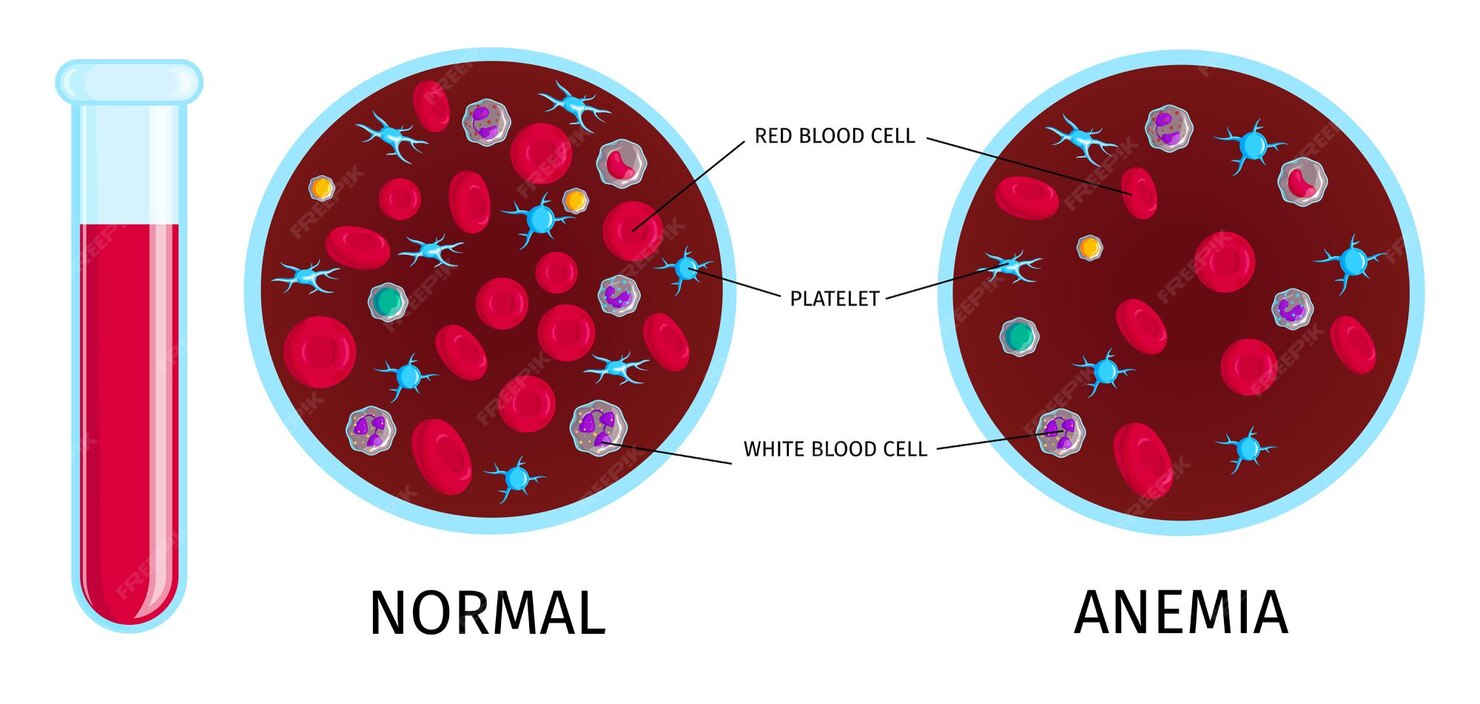
Anemia


Anemia is a condition where you have either less and not healthy red blood cells or your haemoglobin is less.
A blood test showing Anemia changes


Introduction:

Anemia is a widespread illness that affects a large number of people worldwide. It occurs when the blood's supply of hemoglobin or red blood cells is insufficient. Anemia can have a variety of symptoms and be brought on by a number of factors. In order to help you better understand this common ailment, we will go through the causes of anemia, how to spot its signs, and the therapies that are offered in this article.diabetes

Table of contents
  1. Introduction
  2. Causes and Types of Anemia
  3. Anemia symptoms include
  4. management and Treatment of Anemia
  5. Precautionary methods
  6. Conclusion


Causes and Types of Anemia


There are several potential causes of Anemia, including:

1)Iron deficiency: Iron is necessary for the production of hemoglobin, which transports oxygen to the tissues of our bodies. Iron deficiency anemia can occur when we don't obtain enough iron or have difficulties absorbing it.crohn's-disease

2)Vitamin deficiency: Megaloblastic anemia is a specific type of anemia caused by a lack of vitamins including B12 and folate, which can disrupt the development of red blood cells.amenorrhea

3)certain persistent medical disorders, such as kidney illness, are referred to as chronic diseases.

4)Genetic disorders: Some illnesses, such as sickle cell anemia and thalassemia, which we inherit from our parents, can impair the structure and function of red blood cells and cause chronic anemia.

5)Blood loss: When we lose blood as a consequence of an accident, a heavy period, digestive issues, or surgery, it can lower the number of red blood cells and result in anemia.

.Anemia symptoms include

Depending on the underlying reason and the degree of the anemia, several symptoms may be present. Some typical warning signs and symptoms are:

1)Anemia is frequently characterized by fatigue and weakness, even with little physical effort. Our body's organs and tissues might not get adequate oxygen because of the drop in red blood cell count.

2)Skin, lips, and nail beds that are pale may be a result of having less red blood cells in our bodies.

3)Breathlessness: Shortness of breath is a common symptom of low oxygen levels in the body, especially while we are exerting ourselves physically.anemia

4)Rapid heartbeat: The heart may beat more quickly to make up for the blood's decreased ability to deliver oxygen.

5)Inadequate oxygenation of the brain can cause lightheadedness, dizziness, and, in severe situations, fainting.


Management and Treatment of Anemia

Anemia is treated based on the underlying reason. Here are a few typical methods:

1)Changing our diets to include more iron-rich foods like leafy greens, lean meats, and legumes can help prevent iron deficiency anemia. Megaloblastic anemia can be treated by eating foods high in vitamin B12 and folate, such as dairy products, seafood, and fortified cereals.

2)Supplements for iron and vitamins: In some circumstances, a doctor may advise taking oral iron or vitamin supplements to restore the body's nutrient level; this would be in the form of syrup, capsule, or injection.anemia

3)Blood transfusions: In severe cases of anemia, particularly those brought on by major blood loss, a blood transfusion may be necessary.

4)Treatment options include immunosuppressive drugs, erythropoiesis-stimulating agents, and bone marrow-stimulating agents, depending on the type and underlying cause of the anemia.

5)Curing underlying issues: Relieving the symptoms of Anemia requires addressing the underlying conditions, such as controlling chronic disorders or curing infections.


Precautionary Methods:

Maintaining a balanced diet that includes foods high in iron, vitamins, and minerals is necessary to prevent Anemia. Important preventive strategies include regular exercise, treating chronic diseases, and avoiding excessive blood loss. It's important to see a doctor if you have anemia symptoms in order to have a correct diagnosis and the best course of therapy.whatsapp.com/channel

Conclusion:

Anemia is a widespread blood condition with a range of causes and signs. We can successfully control anemia by being aware of the causes and promptly seeking medical attention. We can increase our red blood cell count and general health by addressing the root reason and forming good lifestyle practices.

Skin Diseases

Understanding Skin Diseases with Their Pictures! Let's understand Skin Diseases with their pictures for a better approach to their treat...