Tuesday, January 20, 2026

AIDS


Introduction of aids

AIDS is a chronic, potentially life-threatening condition caused by the human immunodeficiency virus (HIV). By damaging your immune system, HIV interferes with your body's ability to fight infection and disease.
Worlds Aids day

 Guidance to the Disease and Development of Treatment for AIDS. For decades, the scientific community and the general public have focused their attention on the complicated and deadly global health epidemic known as AIDS. AIDS has significantly impacted the lives of millions of people globally since it was first discovered in the early 1980s. AIDS still poses a daunting challenge, despite substantial advancements in research and therapy, therefore raising awareness of the condition is crucial. We will explore all facets of AIDS in this blog, such as its causes, transmission, symptoms, prevention, treatment, and the most recent developments in the fight against this fatal illness.


Table of content

  1. Introduction
  2. Description of Aids
  3. Sign and symptoms
  4. Spreading of Aids
  5. Identifying aids
  6. Management and treatment of aids
  7. Conclusion


Description of Aids:.

The human immunodeficiency virus (HIV), which assaults and impairs the Immune System of the body, is what causes AIDS. The Immune System gradually suffers severe damage, making the person more susceptible to cancer, infections, and other serious ailments. It's important to understand the difference between HIV and AIDS; HIV is the virus that, if untreated, causes AIDS. Human immunodeficiency virus (HIV) is an infection that attacks the body’s immune system. Acquired immunodeficiency syndrome (AIDS) is the most advanced stage of the disease.lyme-disease

HIV targets the body’s white blood cells, weakening the immune system. This makes it easier to get sick with diseases like tuberculosis, infections, and some cancers.hypothyroidism

Signs and Symptoms of Aids

The symptoms of HIV vary depending on the stage of infection.

The disease spreads more easily in the first few months after a person is infected, but many are unaware of their status until the later stages. In the first few weeks after being infected, people may not experience symptoms. Others may have an influenza-like illness including. Depending on the disease's stage, the signs and symptoms of AIDS can change. People may suffer flu-like symptoms in the early stages, including fever, exhaustion, aches in the muscles, and swollen lymph nodes. More severe symptoms, such as chronic diarrhea, weight loss, recurring infections, night sweats, and opportunistic infections (infections that often strike persons with compromised immune systems), may develop as the disease worsens.

Combating AIDS:
  • fever
  • headache
  • rash
  • sore throat.

The infection progressively weakens the immune system. This can cause other signs and symptoms:hyperthyroidism

  • swollen lymph nodes
  • weight loss
  • fever
  • diarrhoea
  • cough.

Without treatment, people with HIV infection can also develop severe illnesses:

  • tuberculosis (TB)
  • cryptococcal meningitis
  • severe bacterial infections
  • cancers such as lymphomas and Kaposi's sarcoma.

HIV causes other infections to get worse, such as hepatitis C, hepatitis B and mpox.


Human immunodeficiency virus (HIV) is an infection that attacks the body’s immune system.
History Taking

Spreading of Aids?

1)Blood, semen, vaginal fluids, rectal fluids, and breast milk are just a few of the biological fluids that can spread HIV. Unprotected sexual contact with an infected partner, sharing needles or syringes with an infected person, receiving contaminated blood transfusions, and passing from mother to child during childbirth or breastfeeding are the main modes of transmission.hiv-aids/symptoms-causes/

Identifying the AIDS symptoms:


A key component of limiting the spread of HIV/AIDS is prevention. By routinely using condoms, avoiding sharing needles or syringes, receiving routine HIV testing, and being aware of partners' HIV statuses, a number of precautions can dramatically lower the chance of contracting the virus. Pre-exposure prophylaxis, or PrEP, can also be successful in preventing HIV transmission in high-risk people.HIV can be treated and prevented with antiretroviral therapy (ART). Untreated HIV can progress to AIDS, often after many years.


Management and Treatment of Aids

Antiretroviral therapy (ART) has achieved tremendous advancements in the management of HIV and AIDS, despite the fact that there is no known cure for the disease. In ART, a number of medications are used to reduce the virus's ability to replicate, prevent the spread of the illness, and help the Immune System heal. HIV/AIDS patients can live longer, healthier lives with the right medical care and treatment.hiv-aids

The Effects of AIDS Worldwide:

AIDS is still a major global health issue that affects millions of people worldwide, regardless of their location or ethnicity. Although other countries of the world are also impacted, Sub-Saharan Africa continues to have the highest frequency of the disease. AIDS has a significant negative social and economic impact on families, communities, and entire countries.

Studies and Innovations

Over the years, the scientific community has made major advancements in AIDS research. The development of new treatment plans, preventative measures, and vaccine candidates is ongoing. Additionally, there have been encouraging advancements in cell-based therapy and gene editing, providing hope for a long-lasting remission or functional cure.

Conclusion:

WHO now defines Advanced HIV Disease (AHD) as a CD4 cell count of less than 200 cells/mm3 or WHO stage 3 or 4 in adults and adolescents. All children with HIV younger than 5 years of age are considered to have advanced HIV disease. The worldwide community continues to face difficulties as a result of the multifaceted nature of AIDS. However, there has been progress in the fight against HIV/AIDS thanks to ongoing research, raised awareness, and successful preventative and treatment initiatives. Individuals must become knowledgeable about the condition, debunk stereotypes, and offer support to persons who are HIV/AIDS positive. Together, we can make progress toward a future without AIDS as a public health risk and one in which every individual afflicted by the illness receives the respect and compassion they deserve.


Glaucoma

Glaucoma


Glaucoma is a group of eye diseases that can cause vision loss and blindness by damaging a nerve in the back of your eye called the optic nerve.
Glaucoma changes

Introduction:
How to protect our eyesight, from glaucoma, gradually progressive loss of vision to us.

Our eyes are wonderful wonders that allow us to see the world and appreciate the beauty of the world around us. However, there is a sneaky danger that can steal this priceless gift of sight over time, frequently without our awareness until it is too late. Glaucoma, a set of eye diseases that can harm our optic nerve and result in permanent vision loss if not identified and treated early. We'll go around the world of Glaucoma in this blog, learning about its forms, what causes it, the warning signals to look out for, and most importantly, how you may preserve your vision and enhance your quality of life through early detection and appropriate treatment.lyme-disease


Consider the eye as a tiny camera that records images and sends them to your brain via the optic nerve, a delicate connection. This cable suffers harm from Glaucoma, which deteriorates it gradually over time. Because of the delicate fluid balance that our eyes must maintain, pressure inside the eye, also known as intraocular pressure (IOP), rises when this balance is cut off. The optic nerve, which is in charge of conveying visual information to the brain, is under increased pressure. If this pressure is not relieved, it may cause irreparable vision loss that first affects the peripheral vision and then gradually affects the center of vision.aids

Angle closure is defined as the apposition of iris to the trabecular meshwork, which results in increased intraocular pressure (IOP). In acute angle closure (AAC), the process occurs suddenly with a dramatic onset of symptoms, including blurred vision, red eye, pain, headache, and nausea and vomiting. The sudden and severe IOP elevation can quickly damage the optic nerve, resulting in acute angle-closure glaucoma (AACG).


Table of contents

1)Introduction

2)Glaucoma subtypes

a) Primary open angle glaucoma (POAG)

b) Angle - closure glaucoma

3)Causes

a) age

b) family history

c)Ethnicity

d)High Eye pressure

e) veils

f) Medical conditions

4)Symptoms & its early detection

5)management

6)Conclusion amenorrhea


Gradually eyesight changes occur in glaucoma leading to complete blindness.                        dness.
Changes in glaucoma

Glaucoma subtypes:

There are numerous varieties of Glaucoma, with two primary groups, much as there are diverse shades of color:

1)Primary Open-Angle Glaucoma (POAG): This condition is the most prevalent and typically develops slowly. Imagine a gradual procedure that is initially hardly perceptible. With POAG, the drainage canals of the eye gradually clog, causing a progressive deterioration of the optic nerve and a rise in IOP.

2)Angle-Closure glaucoma is less prevalent, although it strikes more suddenly and intensely. Imagine a sudden, swift invasion—like a storm. The iris is too close to the drainage angle in this kind, obstructing the passage of fluid and causing a sharp increase in IOP.

Causes:

Although the exact causes of glaucoma remain unknown, there are numerous variables that can increase your risk of getting the disease: 1)Age: Glaucoma risk rises with advancing years. As you become older, remember to take extra care of your eyes! 2)Family history: If Glaucoma runs in your family, your chances of developing it are possibly increased. It's like your forefathers are telling you to be watchful via a genetic link.

3)Ethnicity: Although Glaucoma can affect anybody, people of African, Hispanic, and Asian heritage are more likely to develop particular kinds of Glaucoma.

4)High Eye Pressure: Elevated IOP is a sign that glaucoma may be present. It's crucial to monitor your ocular pressure, and if it's elevated, you must seek professional guidance.

5)Imagine your corneas as delicate veils covering your eyes. These veils can increase your risk of developing Glaucoma if they are excessively thin. 6)Medical conditions: Glaucoma risk can also be increased by conditions like diabetes, heart disease, and high blood pressure. Being in good general health is a step towards safeguarding your eyes as well.


Symptoms, and its early detection:

Glaucoma is notorious for acting covertly, especially in the first stages. It resembles a crafty cat hiding its claws. As the condition worsens, it could show itself as:

1)Imagine gradually losing your peripheral vision, beginning at the borders like a fading canvas. Glaucoma typically begins by impairing your peripheral vision.

2)Halos or Blurred Vision: Glaucoma occasionally causes halos surrounding lights, making it appear as though you are looking through a foggy lens.

3)Acute angle-closure Glaucoma symptoms can be strong and abrupt, almost like a thunderstorm bursting out of nowhere. These include intense eye pain, nausea, and vomiting.

Glaucoma can be subtle, and you might not realize anything is wrong until it is too late. Therefore, routine eye exams are your superpowers for early Glaucoma detection. To detect any anomalies that might suggest Glaucoma, eye care professionals can monitor your IOP, check the optic nerve, and perform visual field tests.angle-closure-glaucoma

Management and Treatment:

Since glaucoma requires lifetime attention and care, facing it head-on is crucial to managing it. The following are some of the weapons you can use: acute-angle-closure-glaucoma

1)Think of medicated eye drops as your allies in the fight against Glaucoma. They function by either improving drainage to lower IOP or decreasing fluid production in the eye.

2)Oral Medicines: In some circumstances, your eye doctor may recommend oral medicines to support the effects of eye drops in regulating IOP.

3)Consider laser therapy as a magical spell that can be used to clear blocked drainage canals or reduce fluid production to control IOP.

4)Microsurgery: Microsurgery intervenes when things get difficult. By establishing a new drainage pathway for fluid to exit, this surgical procedure lowers IOP.closed-angle-glaucoma

Conclusion:

In conclusion, glaucoma is a dangerous eye disease marked by elevated intraocular pressure that, if unchecked, can cause irreversible vision loss. Early identification and routine eye exams are essential for controlling this illness and avoiding its dangerous effects. Early therapy with drugs, surgery, or other procedures can help maintain one's vision and general quality of life. The prevalence of glaucoma serves as a reminder of the value of preventative eye care and continued investigation into this condition that threatens vision.

The health of your eyes, which serve as your windows to the outside world, must be prioritized. It is important to take Glaucoma, the silent thief of sight, seriously. You may remain one step ahead of this crafty enemy by being vigilant, getting frequent eye exams, and being aware of risk factors. Not only is it important to see better, but to live better as well. So, protect your eyes, treasure your vision, and educate your loved ones about Glaucoma. Let's work together to safeguard our mission and improve everyone's quality of life in the world.


Ankylosing spondylitis


Introduction;

Ankylosing spondylitis is a rare type of arthritis that causes pain and stiffness in your spine. This lifelong condition, known as Bechterew disease, usually starts in your lower back. It can spread up to your neck or damage joints in other parts of your body. A chronic inflammatory condition known as Ankylosing Spondylitis (AS) primarily affects the spine and results in pain, stiffness, and decreased mobility.A day to day activity of life , person's quality of life may be greatly impacted by this disorder, but with early diagnosis, appropriate treatment, and lifestyle modifications, those who have AS can have happy, meaningful lives. This blog will go in-depth on Ankylosing Spondylitis, including its causes, symptoms, diagnosis, available treatments, and how to manage the condition successfully. Ankylosis means the fusion of bones. If not diagnostic and treated can change the curvature of the spine.hyperthyroidism


Learning about Ankylosing Spondylitis

Spondyloarthritis, a class of rheumatic illnesses that largely affects the axial skeleton, including the spine and sacroiliac joints, includes AS. Because it is autoimmune, inflammation develops where the body's immune system unintentionally targets its own tissues. Genetics plays a crucial part in AS, with the HLA-B27 gene being a significant genetic predisposing factor, despite the fact that the specific origin of AS is still not completely understood.skin-diseases-with-their-pictures

Ankylosing spondylitis is a rare condition of arthritis ,causes pain and stiffness in your spine.It is a lifelong condition.
Ankylosing spondylitis


Table of contents
  1. Introduction
  2. Learning about Ankylosing spondylitis
  3. Symptoms of ankylosing spondylitis
  4. Diagnoses and Getting Medical Assistance
  5. Ankylosing spondylitis Treatment
  6. Lifestyle Modification
  7. Conclusion

 Symptoms of Ankylosing Spondylitis

Ankylosing spondylitis symptoms might differ from person to person, but frequent signs include:anthrax

1)Lower back pain that doesn't go away: This type of discomfort frequently gets worse while you're at rest or aren't moving about much.

2)Particularly in the morning or after extended periods of inactivity, stiffness, and diminished suppleness make it challenging to carry out daily chores.

3)Pain and swelling: AS can cause pain and swelling in other joints, including the hips, shoulders, knees, and feet.

4)Fatigue: Chronic pain and inflammation can cause exhaustion and general malaise.

5)Fusion of bones: In extreme circumstances, it may lead to vertebral fusion, creating a stiff spine and reducing movement. 

Diagnoses and Getting Medical Assistance

It is imperative to see a rheumatologist if you think you could have Ankylosing Spondylitis or exhibit any of the symptoms listed above. Early diagnosis is essential since it can stop or slow the disease's progression and lessen its negative effects on your life. A medical history, physical examination, blood tests, and imaging tests like X-rays or MRI scans are frequently combined to make the diagnosis.

Ankylosing spondylitis Treatment;

Although there is no known treatment for AS, a number of management techniques can help reduce symptoms and enhance general well-being:ankylosing-spondylitis

1)Medications: The first line of treatment for pain and inflammation is frequently nonsteroidal anti-inflammatory medications (NSAIDs). To reduce the underlying inflammation, doctors may administer biologics and disease-modifying antirheumatic medications (DMARDs).

2)Exercise and physical therapy: Maintaining joint flexibility, strength, and posture requires regular exercise. A physical therapist can create a customized fitness regimen for you.

3)Heat and Cold Therapy: Using heat packs can aid with inflammation while using cold packs can help with muscle strain and soreness.ankylosing-spondylitis

  1. 4)Posture Awareness: Practicing good posture and using ergonomic furniture can minimize stress on the spine.

  2. 5)Supportive Footwear: Wearing appropriate shoes can help reduce strain on the spine and other affected joints.


Ankylosing spondylitis ,rare but liflong condition ,in this pain and stiffness occur in spine
Structure of spine
  1. Lifestyle Modifications

    In addition to medical care, certain lifestyle changes can greatly enhance the quality of life for those with Ankylosing Spondylitis: 1)Keep a Balanced Diet: Eating a diet high in fruits, vegetables, whole grains, and lean proteins will help to promote general health and may even help to reduce inflammation. 2)Manage Stress: Stress can make symptoms worse, so it can be helpful to incorporate stress-reduction methods like meditation, yoga, or mindfulness.Ankylosing_spondylitis 3)Adequate Rest: Make sure you receive adequate sleep and that your spine is supported by a suitable mattress and pillows.

Building a Support Network

Living with Ankylosing Spondylitis can be challenging, both physically and emotionally. Building a strong support network can help you navigate through the difficulties. Connect with family, friends, or support groups to share experiences, receive advice, and find encouragement from others facing similar challenges.

Conclusion

Although ankylosing spondylitis is a chronic disorder that needs proactive management, persons who have it can live happy, fulfilled lives with the appropriate attitude. A supporting network, medical care, lifestyle changes, and an early diagnosis are all crucial to treating AS. Because every person with AS has a different experience, it's essential to collaborate closely with medical professionals to create a personalized plan for managing the illness and guaranteeing a higher quality of life.


Hypothyroidism


Introduction

Hypothyroidism is a malfunctioning of thyroid gland. Imagine feeling drained, mentally clouded, and unable to lose those persistent extra pounds, no matter how hard you try, every morning. These seemingly unconnected symptoms may be brought on by Hypothyroidism, a disorder that is frequently misdiagnosed. Even though it has a huge global influence, many people are ignorant of how it affects general health and well-being. We'll indulge in the origins, signs, and treatments of Hypothyroidism in this blog to help you better understand and take control of this metabolic illness.

Hypothyroidism: What is it?

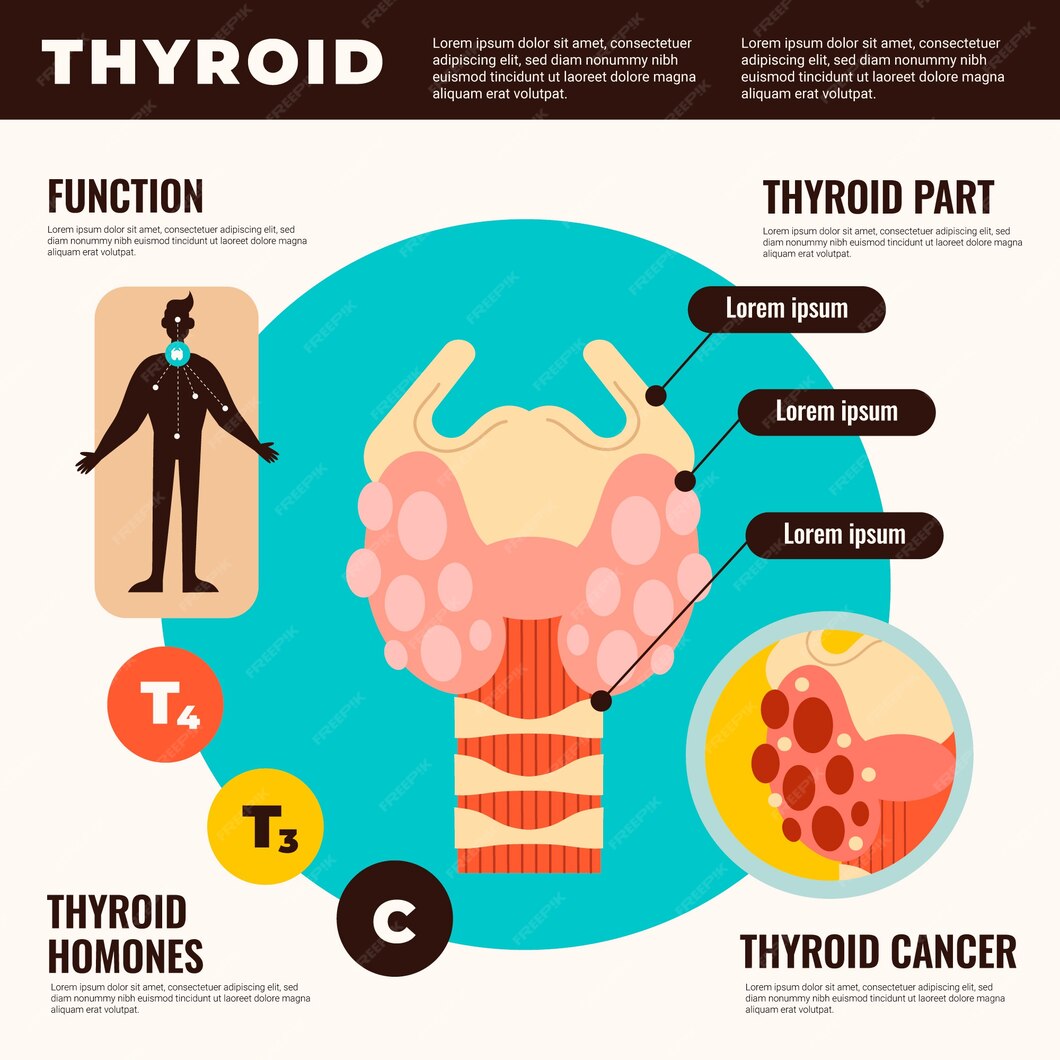
 Hypothyroidism is a medical condition's primary cause is a thyroid gland that is not functioning properly i e.when it's function is hampered.You might be curious as to what the thyroid gland is and why it is so crucial. Thyroxine (T4) and triiodothyronine (T3) are essential hormones produced by the thyroid gland, a butterfly-shaped gland in the neck. These hormones are essential for controlling a variety of human activities, including metabolism, energy levels, heart rate, and body temperature.


Cancer can occur in thyroid gland. It is also called as under active thyroid. Thyroid may produce insufficient hormon.
Cancer of thyroid

Hypothyroidism causes:

Let's examine the common causes of Hypothyroidism now that we are aware of the relevance of the thyroid gland:

1)The most common cause of Hypothyroidism is Hashimoto's thyroiditis. It is an Autoimmune illness in which the thyroid gland is inappropriately attacked by the Immune system, causing inflammation and decreased hormone production.autoimmune-diseases

2)Iodine deficiency: Iodine acts as the thyroid gland's superhero since it is a necessary ingredient for the creation of thyroid hormones. Iodine deficiency in the diet can cause Hypothyroidism.

3)Thyroid surgery or radioactive iodine therapy: Specific thyroid-related medical procedures might result in decreased hormone production, which results in Hypothyroidism.amenorrhea

4)Congenital Hypothyroidism: Due to hereditary conditions or problems during fetal development, some newborns are born with an underactive thyroid gland.

5)Surprisingly, some drugs like lithium and amiodarone can prevent the thyroid from producing hormones, which can lead to Hypothyroidism.anemia


Hypothyroidism Illusteration
Hypothyroid Illusteration


Typical Symptoms of hypothyrodism

The tough aspect of Hypothyroidism is that its symptoms frequently appear gradually, making it difficult to identify at first. The following are some typical warning signs and symptoms to watch out for:


1)Feeling continually exhausted, even after getting a decent night's sleep.

2)Gaining Weight and Difficulties Losing Weight: Those excess pounds simply won't go away despite your best efforts.

3)Feeling too chilly, especially in your hands and feet, is known as cold intolerance.

4)Your skin feels tight and flaky, and your hair becomes brittle from dryness.

5)Constipation: Uncomfortable and irregular bowel movements.

6)Joint and muscle pain: experiencing pain and stiffness in your joints and muscles.

7)Dealing with persistently depressed or downtrodden feelings.

8)Memory Issues and Concentration Issues: Having trouble focusing or remembering things.

9)Changes in the menstrual cycle can cause irregular or heavy menstrual periods in women.


It is important to remember that not everyone will have all of these symptoms and that each person's symptom intensity will differ.

Diagnosis and Treatment of hypothyroidism

It's crucial to get advice from a healthcare provider if you think you could have Hypothyroidism or exhibit any of the above symptoms. To confirm the diagnosis, they will do a thorough evaluation that includes a physical examination and blood tests to measure thyroid hormone levels (TSH, T3, T4).

The good news is that Hypothyroidism can be treated effectively after it has been detected and managed. The main strategy is hormone replacement treatment, in which Levothyroxine, a synthetic thyroid hormone, is provided to augment the body's insufficient hormone production. Individual needs are carefully considered while adjusting the dosage, and progress is checked on a regular basis with follow-up appointments.

Lifestyle modifications and dealing with Hypothyroidism:

For those with Hypothyroidism, there are numerous lifestyle modifications that can supplement medicine and enhance the quality of life:


1)Balanced Diet: Iodine and selenium are nutrients that support thyroid function, so choose a diet high in these nutrients. To nourish your body, prioritize nutritious meals, fruits, vegetables, and lean meats.

2)Exercise on a Regular Basis: Physical activity on a regular basis can help raise energy, metabolism, and general well-being.

3)Stress management: Prolonged stress can impair thyroid function, so give stress-relieving practices like yoga, meditation, or engaging in hobbies a high priority.hypothyroidism

4)Medication Compliance: To ensure the best possible management of Hypothyroidism, take your medication exactly as directed, at the proper time.


Conclusion:

A widespread ailment that frequently goes undiagnosed, Hypothyroidism affects many people all over the world. For an early diagnosis and efficient management, it is crucial to understand its causes, symptoms, and available treatments. People with Hypothyroidism can live fulfilling lives and preserve their general health and well-being with the help of appropriate medical treatment, lifestyle modifications, and medication adherence.hypothyroidism-underactive thyroid

Remember, visit a healthcare expert for a comprehensive evaluation and suitable advice if you believe you may have Hypothyroidism or suffer any related symptoms. With the correct information and assistance, you can take charge of your thyroid health and set off on a path to a happier, healthier you.


Deadly Anthrax

 A Deadly Pathogen's Impact on Human Health: Unraveling Anthrax

Anthrax Bacteria
Anthrax Bacteria
Introduction

A Deadly Pathogen's Impact on Human Health: Unraveling AnthraxFew infectious disease viruses instill terror in people's hearts like Anthrax does. The lethal effects of this particular bacterium have been well-documented throughout history, giving it a long past. Anthrax is a dreadful bioterrorism weapon in addition to being a biological hazard. We will explore  Anthrax in this blog, learning about its traits, mode of transmission, symptoms, therapies, and steps taken to deal with this lethal illness. Anthrax is an infection caused by the bacterium Bacillus anthracis. It can occur in four forms: skin, lungs, intestinal, and injection. Symptom onset occurs between one day and more than two months after the infection is contracted. The skin form presents with a small blister with surrounding swelling that often turns into a painless ulcer with a black center. The inhalation form presents with fever, chest pain, and shortness of breath. The intestinal form presents with diarrhea (which may contain blood), abdominal pains, nausea, and vomiting. The injection form presents with a fever and an abscess at the site of the drug injection.


Table of content
  • Introduction
  • The development of  deadly anthrax
  • Anthrax characteristic
  • Transmission method of deadly anthrax
  • (1)Cutaneous anthrax
  • (2)Anthrax inhalation
  • (3)Consuming contaminated
  • Diagnosis and symptoms of  deadly anthrax
  • Prevention and treatment of deadly  anthrax
  • Bioterrorism
  • Conclusion

Amenorrhea


Introduction

Amenorrhea is a missing period but of two types, primary amenorrhea, in such patients does not get a period till the age of 15 years. While in secondary amenorrhea patient stops mensurating after having menstruation. Ever wonder what it might signify for your health if your period suddenly stops coming? Let's talk about it, then! Some women experience Amenorrhea, a disorder that prevents them from having monthly periods. It's more significant than merely skipping a period; it can indicate a more serious health problem. We'll explore the causes, signs, and potential therapies for Amenorrhea in this blog, illuminating a subject that is crucial for many women worldwide.ankylosing-spondylitis

Table of contents

  • Introduction
  • Types of Amenorrhea
  • Amenorrhea's Common Causes
  • Symptoms of Amenorrhea
  • Identification and therapy of Amenorrhea
  • Conclusion


Types of Amenorrhea:

Amenorrhea comes in two major forms:

1)Primary Amenorrhea occurs when a woman is 16 years old but has not yet experienced her first period—the one that signifies the start of womanhood. There could be a number of causes for this, including hormonal or hereditary problems.amenorrhea/symptoms-causes

2) Secondary Amenorrhea occurs when a woman who has previously experienced regular menstruation abruptly ceases having them for at least three cycles. Stress, excessive exercise, hormonal imbalances, thyroid issues, PCOS, and other factors can all contribute to it.


Due to thyroid impaired function ,irregularity of mensutration  occur

Amenorrhea's Common Causes:

Here are some of the most typical explanations for why your periods can take a break: 1)Hormonal Imbalances: Our hormonal system can occasionally become abruptly disturbed which might interfere with our menstrual cycle.aids 2)PCOS, the term "polycystic ovary syndrome" refers to a hormonal condition that can cause irregular or nonexistent periods.

3)Thyroid Issues: Your menstrual cycle may vanish if your thyroid gland is either overactive or underactive, which means either your Thyroid gland produces more than the normal range of hormones or may produce less hormone than normal should be.Crohn's-disease

4)Activity Like a Pro: Exercise is fantastic, but excessively vigorous activity might mess with your hormones and can cause you to stop having periods.

5)Stress, Overloading with stress: Stress is a cunning troublemaker. Stress might obstruct the signals your body uses to schedule regular periods.

6)Weight; Significant weight changes, including significant weight gain or loss, might affect your hormones and cause your menstrual cycle to become irregular.

7)Body Structure Matters, too: Period irregularities may result from physical problems with the reproductive organs.                                                           

Symptoms of Amenorrhea

In addition to the evident "no periods" circumstance, Amenorrhea may also present with the following additional symptoms:

1)Headaches: If you frequently get headaches, Amenorrhea may be to blame. 2)Vision Modifications: Modifications to your vision might potentially be a sign. 3)Unexpected Facial Hair: Do you have some facial hair that isn't desired? This might be connected to Amenorrhea.Amenorrhea

4)Acne Breakouts: Does bothersome acne appear more often than usual? It might also be related to this. 5)Breast Discharge: It's a good idea to get it checked if you notice any unusual discharge coming from your breasts. 6)Feeling particularly warm and flushed during hot flashes? You should bring it up with your doctor. 7)Vaginal Dryness: Amenorrhea may be the cause of any discomfort you may be feeling as a result of the dryness in that area.

Do not hesitate to speak with a healthcare provider if you experience any of these symptoms or have missed a few periods.

Identification and Therapy of Amenorrhea

Your doctor will need to do some investigating to determine the root of your Amenorrhea. They'll probably inquire about your medical history, perform a physical examination, and order a number of tests, including those that examine your thyroid and hormone levels. (T3,T4,Tsh), Hemoglobin test and vice versa.

What's causing your Amenorrhea will determine how you should be treated: 1)Hormone Therapy, If hormones are the cause, your doctor may recommend hormone treatments like birth control pills or other drugs, such as hormone therapy. 2)Simple lifestyle adjustments, such as stress management, reducing the intensity of intensive activities, or keeping a healthy weight, can occasionally help restore regular periods.amenorrhea

3)Treating Underlying Conditions: You may be able to restart your period by treating conditions like PCOS or thyroid problems. 4)Surgery (Rare Cases): If your reproductive organs have structural issues, surgery may occasionally be required.

Conclusion:
Talking to a healthcare provider is crucial if you experience any anomalies or skip periods. They can assist you in determining the issue and locating the best course of action. Keep in mind that your health comes first, and figuring out the cause of your Amenorrhea will help you go back to being the joyful, healthy you!


Skin Diseases

Understanding Skin Diseases with Their Pictures! Let's understand Skin Diseases with their pictures for a better approach to their treat...